Posted by Henry Smith
Filed in Alternative Medicine 3 views
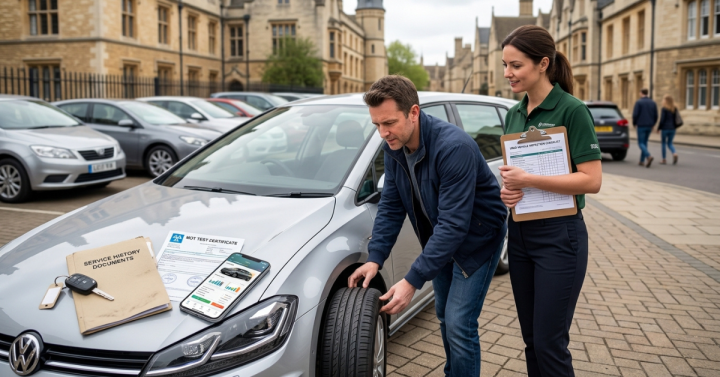
Buying a used car can be a sensible way to get the vehicle you need without paying the price of a new model. However, finding a genuinely reliable car involves more than comparing asking prices.
Mileage, service history, MOT records, condition, insurance and future maintenance costs can all affect whether a particular vehicle represents good value.
If you're looking at used cars in Cambridge, it's worth taking your time and comparing several options before making a decision.
Whether you're buying your first car, replacing an older vehicle or looking for something more practical for everyday journeys, the aim should be to find a car that fits both your needs and your budget.
Before browsing listings, decide how much you can realistically spend. Avoid putting your entire budget into the purchase price because you'll also need to account for the costs of owning the vehicle.
Consider:
Purchase price
Insurance
Fuel
Vehicle tax where applicable
MOT and servicing
Tyres
Repairs and replacement parts
Parking costs
An emergency repair fund
For example, spending £6,000 on a car and having nothing left for an unexpected repair could leave you in a difficult position. A slightly cheaper vehicle with a good maintenance record may be a more sensible choice if it leaves room in your budget for ownership costs.
If you're comparing cars from different sellers, a local auto showroom can also give you an opportunity to view several vehicles and compare their condition, specifications and prices in person.
Reliability starts with choosing the right type of vehicle for how you actually drive.
A small petrol hatchback may make sense for regular short trips around Cambridge, while someone travelling longer distances for work may prefer a larger car with better motorway comfort. Families might prioritise rear-seat space and boot capacity, while drivers who regularly carry equipment may need an estate or larger vehicle.
Think about:
Typical journey length
Annual mileage
City and rural driving
Motorway use
Number of passengers
Boot space
Manual or automatic transmission
Petrol, diesel, hybrid or electric power
Don't choose a car simply because it looks appealing or has a long list of features. Consider whether it is suitable for your everyday driving.
A vehicle can look excellent on the outside while having a history that raises concerns. Checking its background before buying can help you identify potential problems.
Look at the:
MOT history
Recorded mileage
Service history
Number of previous keepers
Previous MOT advisories
Recorded write-off information
Outstanding finance
Vehicle identification details
An MOT history can be particularly useful. Repeated failures or advisories relating to the same component may indicate an issue that deserves further investigation.
A vehicle history check can also help establish whether the car has outstanding finance or other recorded information that could affect your decision.
Remember that a history check is only one part of the process. It should be combined with a physical inspection, documentation review and test drive.
Once you've found a vehicle that appears suitable, inspect it in daylight if possible.
Start with the exterior. Look for:
Uneven panel gaps
Mismatched paint
Scratches and dents
Signs of previous body repairs
Cracked lights
Windscreen damage
Worn or uneven tyres
Damaged wheels
Then check the interior. Excessive wear on the steering wheel, pedals or driver's seat may be worth comparing with the stated mileage.
Under the bonnet, look for obvious leaks, damaged components or unusual fluid levels. Check the dashboard for warning lights and make sure electrical features such as windows, lights, air conditioning and infotainment systems work as expected.
A few imperfections are normal on a used car. The important point is to understand what you're buying and whether any repairs are likely to be needed.
Never rely entirely on photographs or a seller's description. A test drive can reveal issues that aren't obvious while the vehicle is parked.
If possible, test the car from the cold. Pay attention to how the engine starts and whether there are unusual noises, vibrations or warning lights.
During the drive, check:
Clutch operation
Gear changes
Steering response
Braking
Suspension noises
Engine performance
Automatic gearbox behaviour
Parking and low-speed manoeuvring
Try different road conditions where possible. A car that feels fine at low speed may behave differently on a faster road.
Don't allow yourself to be rushed. If something doesn't feel right, ask questions before making a decision.
Mileage is important, but it shouldn't be the only measure of a used car's value.
Consider two similar vehicles. One might have covered 50,000 miles but have a patchy service history. Another could have 80,000 miles but a complete maintenance record and evidence of regular servicing.
The second car isn't automatically the better purchase, but its higher mileage shouldn't automatically rule it out either.
When comparing used car prices, look at the complete picture:
Age
Mileage
Engine and specification
Condition
Service history
MOT history
Number of previous keepers
Tyres and consumables
Recent maintenance
Asking price
This gives you a much better basis for judging value than mileage or price alone.
Both options can have advantages and disadvantages.
Buying from a dealer may provide access to a wider selection, vehicle preparation, warranty options and finance facilities, depending on the seller. You may also have additional consumer protections when buying from a trader.
A private seller may offer a lower asking price and allow you to speak directly with the current owner about the vehicle's history. However, you'll need to carry out your own checks carefully.
Whichever route you choose, don't let a seller's urgency replace proper checks. A genuine opportunity should still give you time to examine the vehicle and its paperwork.
The purchase price is only one part of the cost of owning a used car.
Before buying, consider how much the vehicle is likely to cost you over the next few years.
Check:
Insurance premiums
Fuel economy
Servicing requirements
Tyre costs
Replacement parts
Typical repair expenses
MOT requirements
Vehicle age
Availability of parts
Two cars with similar purchase prices can have very different ownership costs.
For example, a cheaper-to-buy car may require expensive tyres, specialist servicing or significant maintenance shortly after purchase. A slightly more expensive vehicle with a stronger maintenance record could potentially provide better overall value.
Even careful buyers can overlook important details. Try to avoid these common mistakes:
Choosing a car solely because it is cheap
Ignoring the MOT history
Skipping the service history
Buying without a test drive
Failing to check for outstanding finance
Ignoring dashboard warning lights
Assuming low mileage means excellent condition
Forgetting to obtain an insurance quote
Spending your entire budget on the purchase
Allowing pressure from a seller to influence your decision
One of the biggest mistakes is becoming emotionally attached to a particular car before completing the checks. If the evidence doesn't support the purchase, be prepared to walk away.
Before handing over your money, run through this checklist:
✓ Check the vehicle history
✓ Review the MOT record
✓ Confirm the mileage
✓ Inspect the bodywork and tyres
✓ Review the service history
✓ Check the engine and gearbox
✓ Take a proper test drive
✓ Compare similar vehicles and prices
✓ Check insurance and running costs
✓ Make sure the paperwork matches the vehicle
✓ Investigate any warning lights or unusual noises
If you're unsure about the mechanical condition of a vehicle, consider arranging an independent inspection before completing the purchase.
Finding reliable used cars in Cambridge doesn't have to mean choosing the cheapest vehicle you can find. A better approach is to look at the complete ownership picture: purchase price, condition, history, mileage, maintenance and expected running costs.
Take your time, compare several vehicles and investigate anything that doesn't look or feel right. A detailed history check and careful test drive can reveal important information, while a realistic ownership budget can help prevent unpleasant financial surprises later.
Most importantly, don't judge a used car by its appearance alone. The best choice is the vehicle that meets your needs, fits your budget and has evidence of being properly cared for.