Posted by Seethe searx
Filed in General Health 257 views
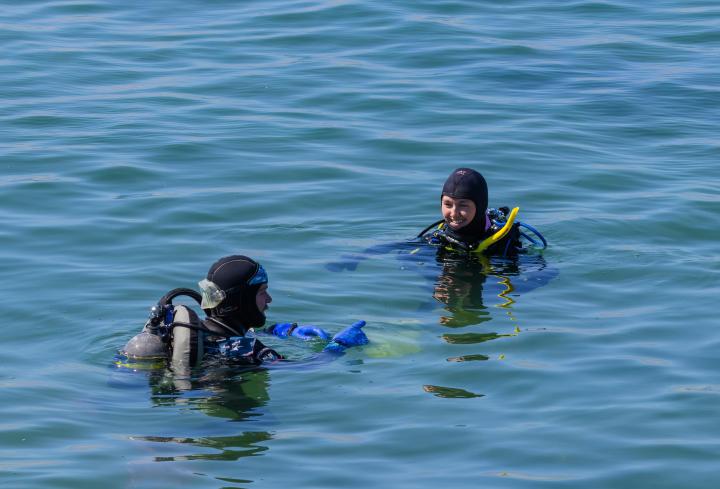
You've just earned your PADI Open Water certification and you're ready to go deeper. But searching for your next course turns up both "Adventure Diver" and "Advanced Open Water Diver" at your local dive shop, and the difference between them isn't obvious.
You're not alone. This trips up nearly every new diver researching their next step. Most shops heavily promote Advanced Open Water while barely mentioning Adventure Diver as a standalone option, leaving you wondering whether they're actually different certifications or whether you're about to overpay for something you don't need yet. While you're sorting out your gear checklist, it's also worth thinking about whether your underwater vision is working for you. A quality solution for better vision while diving makes a bigger difference than most new divers expect, especially at depth.
The short answer: Adventure Diver is not a separate course. It's a milestone within the Advanced Open Water program. Complete three adventure dives and you earn the Adventure Diver certification. Complete five and you earn the full Advanced Open Water Diver certification. Both certify you to dive to 100 feet (30 meters) and open doors to better dive sites your current Open Water card won't get you through.
Adventure Diver
Adventure Diver is earned by completing any three adventure dives under a PADI instructor's supervision. It's a milestone PADI awards automatically when you finish your third qualifying dive, not a standalone curriculum.
What that means practically:
· Your depth limit increases from 60 to 100 feet (18m to 30m) the moment you earn it
· You choose which three dives to complete from a menu of over 15 options
· All three dives count toward Advanced Open Water if you continue later
· Each dive credits as the first dive of its corresponding specialty course, which can save you money down the line
· Minimum age is 10, though certain dives like the Deep dive require at least 12
Advanced Open Water is the standard next-step certification recognized by dive operators worldwide. It requires five adventure dives total, with two mandatory ones:
● Deep Dive: Takes you to the 100-foot maximum and introduces nitrogen narcosis awareness
● Underwater Navigation Dive: Builds compass skills and natural navigation so you can reliably find your way back to the entry point
The remaining three dives are your choice. Same depth certification as Adventure Diver, but more comprehensive training and stronger credential recognition globally. Minimum age is 12, and divers under 15 are limited to 21 meters (70 feet).
Adventure Diver requires three dives of your choosing and can typically be completed in a single day, while Advanced Open Water requires five dives (the mandatory Deep and Navigation dives plus three elective dives) and usually runs over a full weekend. Both certifications provide the same 100-foot (30-meter) depth rating, though the minimum age differs: 10 years for Adventure Diver versus 12 years for Advanced Open Water. Adventure Diver issues its own certification card and remains fully upgradeable, meaning you only need two additional dives to reach the full Advanced Open Water credential. Everything you've already completed carries over, so nothing is wasted if you start with Adventure Diver and decide to continue later.
Both certifications require the same entry point: a PADI Open Water Diver certification (or equivalent from SSI, NAUI, BSAC, or another recognized agency). No minimum logged dives are required, though most instructors recommend at least 10 for comfort and confidence. A medical questionnaire is required before participation.
· Complete PADI eLearning at home before your in-water days. Budget three to five hours, and you only study the sections for your chosen dives. No written exams, just knowledge reviews completed online.
· Arrive for your dive day with eLearning done and rental gear sorted.
· Receive a pre-dive briefing covering the objectives for each dive.
· Complete the dives with your instructor guiding the practical skills.
· Debrief after each dive to consolidate what you experienced.
No long classroom sessions. The emphasis throughout is in-water application. If the Open Water classroom was the hardest part for you, you'll find these courses considerably more enjoyable.

· You're working with a tight budget and need depth access quickly
· You only have one day available right now
· You're a junior diver between 10 and 11 years old who isn't yet eligible for Advanced Open Water
· You dive infrequently (two or three times a year) and the full Advanced Open Water credential isn't a practical priority
· You want to test your commitment before investing in five full dives of training
Example: Sarah earned her Open Water cert in spring and has logged eight dives. She's heading to the Florida Keys in four weeks and wants access to deeper coral formations, but isn't sure how often she'll dive after the trip. Adventure Diver gets her the depth certification she needs in one Saturday session for $275, and she can upgrade later if diving becomes a serious hobby.
· You're planning regular diving and expect to log 20 or more dives in the next year
· You're planning international dive travel, where Advanced Open Water is frequently required by operators and liveaboards
· The price difference at your local shop is only $50 to $100, making two extra dives an obvious value
· You want structured exposure to Deep and Navigation skills, which most experienced divers consider non-negotiable fundamentals
· You're aiming toward Rescue Diver or Divemaster eventually
Example: Marcus has been diving once or twice a month since his Open Water certification six months ago, with 18 logged dives. He's planning a liveaboard trip to the Channel Islands next year, and most liveaboard operators require or strongly prefer Advanced Open Water. At his local shop, the price difference is $75. For Marcus, completing the full course now is the obvious call.
1. How many dives do you realistically plan in the next 12 months? Fewer than 10: Adventure Diver may be enough for now. More than 15: Advanced Open Water is the better investment.
2. Are you planning dive travel that specifically requires Advanced certification? If yes, skip Adventure Diver and book Advanced Open Water directly.
3. What's your total training budget this year? If you're also planning specialty courses or gear purchases, Adventure Diver preserves cash flow.
4. How much time can you commit right now? One day: Adventure Diver. A full weekend: either works, but Advanced Open Water makes better use of two days.
5. Do you know which specialty certifications interest you? If yes, the adventure dive credits toward those specialties make strategic planning easier from the start.

Peak Performance Buoyancy is the one most experienced instructors recommend first, regardless of what else you choose. Better buoyancy means lower air consumption, less reef contact, and smoother dives across every environment. It's not the most exciting-sounding option, but it's the one most experienced divers say made the biggest difference.
Deep Dive is required for Advanced Open Water and practically required for most worthwhile dive destinations. It introduces you to the sensations of increased depth and helps you recognize early signs of nitrogen narcosis. Complete this one early.
Underwater Navigation builds the compass and natural navigation skills that make you a more self-sufficient diver and a better buddy. Like buoyancy, this applies to every dive you'll ever do.
Choosing Based on Your Environment
Beyond the foundational three, let your local diving conditions guide you:
· Cold-water regions (Pacific Northwest, New England, Great Lakes): Dry Suit is essentially mandatory for year-round diving here
· Coastal and wreck diving (Mid-Atlantic, Gulf Coast): The Wreck dive teaches proper protocols for wreck penetration and navigation around submerged structures
· Tropical vacation diving: Fish Identification and Underwater Photography dramatically improve what you notice and remember on reef dives
For underwater photography dives, clear vision matters considerably. If you're wearing contact lenses underwater or struggling to read your camera's LCD screen through your mask, a custom prescription dive mask solves the problem more reliably than contacts, which carry real risks in open water.
Each adventure dive counts as the first dive of its corresponding PADI specialty course. Since specialty courses typically require two to four dives total, completing the adventure dive first reduces what you need to pay for later.
For example, the Deep Diver specialty normally requires four dives. If you've already completed the Deep adventure dive, you only need three more. Depending on your shop's pricing, that could save $75 to $125.
Before choosing your elective adventure dives, think about which specialty certifications genuinely interest you and plan accordingly. This is especially worth doing if you're choosing Adventure Diver specifically because you intend to pursue specialty training afterward.
From the moment your certification processes, you can dive to 100 feet (30 meters), access dive sites previously unavailable to Open Water divers, join liveaboards requiring Advanced certification, and start building toward Rescue Diver training.
If you wear glasses or have a prescription, this is a natural point to assess whether your underwater vision is actually working for you. Squinting at your depth gauge at 80 feet isn't a buoyancy problem. It's a vision problem, and it's solvable. Custom prescription dive masks are worth looking into before you start diving at depths where instrument readability genuinely matters.
· 0 to 6 months: Log 20 to 30 dives before pursuing Rescue Diver. Dive in varied conditions and environments.
· Specialty courses: Enriched Air (Nitrox) is particularly useful, as it extends your allowable bottom time on repetitive dive days. Most shops offer it as a half-day add-on.
· Rescue Diver: Most divers describe this as the course that changed how they think about diving. It requires Advanced Open Water or Adventure Diver certification plus 20 or more logged dives.
Adventure Diver and Advanced Open Water grant the same depth privileges. The difference is breadth, time, and cost.
Adventure Diver is the right move if you're budget-conscious, time-limited, or still working out how serious you are about the sport. Advanced Open Water delivers better per-dive value, broader training, and stronger recognition worldwide. For anyone planning regular diving, international travel, or long-term progression, it's the better investment.
And if you start with Adventure Diver, nothing is wasted. Every dive you complete carries forward to Advanced Open Water whenever you're ready to continue.
Use the decision framework above to match your choice to your actual goals and timeline, not to what the shop's website pushes hardest. The right certification is the one that gets you diving more.
Ready to book? Find a PADI-certified dive center offering both options, compare exactly what's included in the pricing, and ask about adventure dive selection before you commit. And if you've been squinting through your dives or managing with contact lenses, sort that out before you go deeper. The reef looks considerably better when you can actually see it.