Posted by Amy Elea
Filed in General Health 8 views
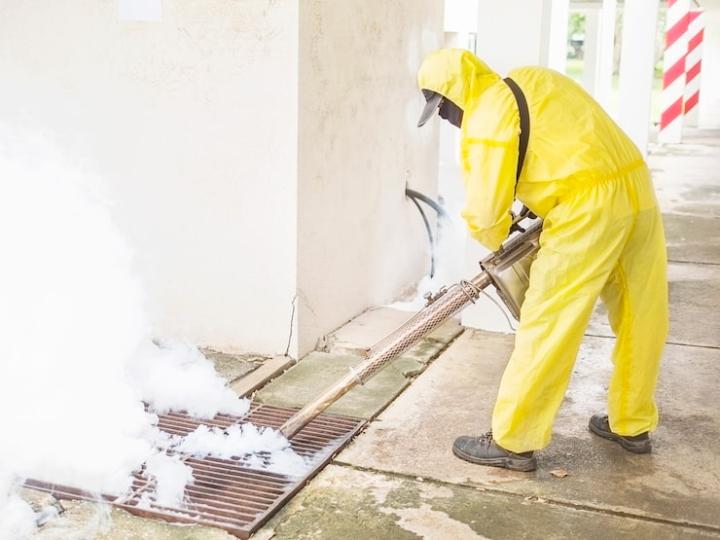
Rodents can become a difficult household problem when they find easy access to food, water, shelter, and hidden spaces. Rats and mice can move through small openings and remain unnoticed inside walls, cabinets, ceilings, storage areas, and other quiet parts of a home.
Beyond being unpleasant, rodent activity can affect household hygiene and cause property damage. Gnawing can damage wiring, furniture, stored items, and other materials. Droppings and nesting materials can also create additional cleaning concerns.
A combination of prevention, early detection, property maintenance, and appropriate treatment can help homeowners reduce the risk of recurring rodent problems.
Rodents generally look for three basic things: food, water, and shelter. Residential properties can provide all three, particularly when food is left exposed or areas with moisture are not maintained.
Kitchens, garages, storerooms, utility spaces, and areas around plumbing can provide suitable conditions. Outdoor waste, clutter, and poorly maintained areas around the property can also make a home more attractive to rodents.
Understanding these conditions is the first step toward reducing the risk.
Rodents do not always need a large opening to enter a property. Small gaps around pipes, cables, doors, windows, vents, drains, and walls can provide access.
Homeowners should inspect the exterior of the property regularly. Pay close attention to damaged screens, gaps beneath doors, cracks around utility connections, and openings near plumbing.
Where appropriate, these openings should be sealed or repaired. Reducing access points is an important part of preventing rodents from entering after an existing problem has been addressed.
Food storage plays an important role in rodent prevention. Open packages, uncovered leftovers, pet food, and food scraps can provide easy access to a reliable food source.
Store dry goods in sealed containers and clean kitchen surfaces after preparing meals. Spills should be cleaned promptly, particularly around cabinets, appliances, and floors.
Pet food should also be stored securely. Avoid leaving food bowls filled for extended periods if rodent activity has been noticed around the property.
The kitchen deserves regular attention because it can provide several conditions that attract rodents. Crumbs and food residue may collect beneath appliances, inside cabinets, or around storage shelves.
Clean counters, floors, cooking surfaces, and areas around appliances regularly. Check spaces that are easy to overlook, such as behind refrigerators, beneath cabinets, and around waste containers.
A clean kitchen does not guarantee that rodents will stay away, but it reduces the available food sources that can encourage continued activity.
Waste can become an easy source of food for rodents when it is not handled properly. Kitchen rubbish should be removed regularly, particularly when it contains food scraps.
Use bins with secure lids and keep the surrounding area clean. If food or liquid spills near a waste container, clean the area promptly.
Outdoor waste areas should also be monitored. Rodents may establish activity near rubbish before finding a route into the home.
Rodents prefer quiet and protected locations. Cluttered garages, storerooms, cupboards, and utility spaces can provide hiding and nesting opportunities.
Avoid storing unnecessary cardboard, paper, fabric, and other materials in large piles. Keep boxes organized and, where practical, raised from the floor.
Regularly inspect areas that are rarely used. A more organized storage space makes it easier to identify droppings, gnaw marks, nesting materials, or other signs of rodent activity.
Water can also encourage rodents to remain around a property. Leaking taps, damaged pipes, standing water, and damp areas can provide access to moisture.
Check beneath sinks, around washing machines, near bathrooms, and in utility areas for leaks. Plumbing problems should be repaired promptly.
Good ventilation can also help reduce unnecessary moisture in areas such as bathrooms and enclosed storage spaces.
Rodents are often active when household members are asleep, so direct sightings may not happen immediately. Instead, homeowners may notice indirect signs.
Common indicators include droppings, gnaw marks, damaged food packaging, scratching sounds, nesting materials, and unusual odors. Greasy marks along walls or repeated activity near cabinets can also indicate that rodents are using particular routes.
Finding these signs early gives homeowners an opportunity to investigate before the infestation becomes more established.
Removing a visible rodent does not necessarily mean the underlying problem has been solved. Other rodents may remain hidden, while entry points can continue providing access to the property.
A proper assessment can help determine where activity is occurring and what conditions may be supporting it. This is particularly useful when signs continue despite cleaning or basic preventive measures.
For homeowners looking into professional pest control Doha, an inspection-based service can help identify the type of pest, possible entry points, and the level of infestation before treatment is planned.
Rodent activity should not be assessed only in the room where a rodent was seen. Rats and mice can travel between different areas through walls, ceilings, cabinets, utility spaces, and other concealed routes.
A wider inspection can help identify connected problem areas. Kitchens, garages, storage rooms, utility spaces, exterior walls, and waste areas may all need attention.
When comparing residential rodent control Doha, homeowners should consider whether the approach looks at both the active infestation and the conditions that may allow rodents to return.
Rodent control should be followed by practical prevention. Continue checking entry points, maintaining food storage, managing waste, reducing clutter, and fixing moisture problems.
Previously affected areas should also be monitored for new signs. If droppings, noises, gnaw marks, or other evidence returns, the issue should be investigated promptly.
Regular monitoring can help homeowners identify recurring activity before it becomes a larger problem.
Protecting a home from rodents requires several simple practices working together. Sealing openings, storing food securely, managing household waste, maintaining dry areas, and reducing clutter can all make a property less attractive to pests.
When signs of infestation appear, professional assessment can help identify hidden activity and determine an appropriate treatment approach. Combining treatment with ongoing household maintenance provides a practical way to protect living spaces and reduce the chances of recurring rodent problems.