Posted by Muhammad Osama Mobeen
Filed in Alternative Medicine 186 views
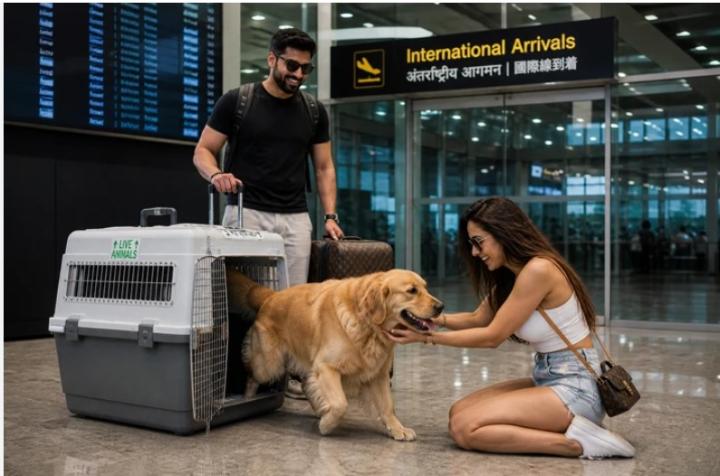
TL;DR: Pet transportation involves securely moving domestic animals across long distances using specialized ground transit or commercial airlines. The most reliable method depends on the travel distance, your budget, and the animal’s health requirements. Using a professional pet transportation company often ensures strict compliance with airline regulations and provides specialized care throughout the journey.
Relocating to a new city or country requires managing endless logistical details. Adding a dog, cat, or exotic animal to that moving process introduces an entirely new layer of complexity. Moving furniture is a matter of packing boxes, but moving a living, breathing family member requires precise planning, veterinary coordination, and specialized equipment.
A single missing vaccination record or an incorrectly sized travel crate can result in delayed flights or denied boarding. Airlines and ground transit companies enforce strict rules to ensure the safety of animals in transit. Navigating these requirements on your own takes significant time and research.
This guide breaks down exactly how to manage pet transportation effectively. You will learn about the different travel methods available, how to prepare your animal for a long journey, and how to decide if hiring a professional service is the right choice for your upcoming move.
What are the main methods of pet transportation?
Animal owners generally choose between air travel and ground transit. The right choice for your specific situation involves weighing travel time against the animal's temperament.
Air travel options for dogs and cats
Flying is the fastest way to move an animal across long distances. Commercial airlines offer different classifications for animal travel based on the size and breed of the pet. Small dogs and cats can often fly in the aircraft cabin securely stowed under the seat in an airline-compliant carrier. This option allows the owner to monitor the animal throughout the flight.
Larger animals must travel in the cargo hold as accompanied baggage or manifested cargo. The cargo hold is climate-controlled and pressurized, keeping animals safe during the flight. Certain short-nosed breeds, such as Pugs or Persian cats, face heavy restrictions or complete bans from flying in cargo due to respiratory risks.
Ground transportation services for pets
Ground transportation offers a highly supervised alternative to flying. Professional drivers use climate-controlled vans specially outfitted with secured crates to transport animals across the country.
Choose ground transit if your animal is a restricted snub-nosed breed, experiences severe anxiety during air travel, or if you are moving domestically and want door-to-door service. Ground travel takes significantly longer than flying, but it allows for frequent rest stops, regular feeding schedules, and constant human interaction.
How do you prepare an animal for pet transportation?
Preparation dictates the success of any animal relocation. Starting the process several months before your departure date prevents last-minute emergencies.
Visiting the veterinarian before travel
Every commercial travel method requires up-to-date health documentation. Schedule a veterinary appointment to obtain a health certificate, which proves the animal is fit for travel and free of communicable diseases. Airlines typically require this certificate to be issued within ten days of the flight.
International pet transportation requires even more rigorous medical preparation. Different countries enforce varying quarantine laws, blood test requirements, and specific vaccination timelines. Moving an animal to a rabies-free country like Australia or New Zealand can require up to six months of veterinary preparation.
Choosing the right travel crate
Animals traveling in the cargo hold must use an International Air Transport Association (IATA) compliant crate. The crate must be constructed from rigid plastic, fiberglass, or metal. It needs to provide enough space for the animal to stand, turn around normally while standing, and sit or lie down in a natural position.
Acclimating your animal to the crate well before the travel date significantly reduces stress. Leave the open crate in your living room with treats and familiar blankets inside, allowing the animal to explore the space on their own terms.
Should you hire a professional pet transportation service?
Managing veterinary records, crate requirements, and airline bookings overwhelms many people. Professional animal shippers handle these exact logistics daily.
Choose a professional pet transportation service if you are moving internationally, have a tight timeline, or simply want peace of mind. These agencies handle flight bookings, review veterinary paperwork for errors, arrange airport transfers, and provide tracking updates. While hiring experts costs more than handling the move yourself, it virtually eliminates the risk of compliance errors that could derail your entire relocation.
If you have a strict budget and are moving domestically, managing the process yourself is highly feasible. Just be prepared to spend hours researching airline policies and tracking document deadlines.
Your next steps for a successful journey
Successfully moving an animal requires diligent research and adherence to strict timelines. Start by confirming the specific import requirements of your destination. Next, consult your veterinarian to map out a vaccination schedule. Finally, secure an appropriate travel crate and begin the acclimation process immediately. Taking these actions early ensures your animal arrives safely at their new home.
Frequently Asked Questions About Pet Transportation
How much does professional pet transportation cost?
Domestic ground or air transport within the United States typically ranges from $500 to $1,500. International moves generally cost between $2,000 and $6,000, depending on the destination, the size of the animal, and required veterinary procedures.
Is it safe for dogs to fly in the cargo hold?
Yes, flying in the cargo hold is generally safe for most healthy animals. The cargo area is pressurized and temperature-controlled. However, owners of senior animals, animals with chronic health conditions, or short-nosed breeds should consult their veterinarian before booking a flight.
Can I sedate my dog or cat before a flight?
No. The American Veterinary Medical Association (AVMA) and commercial airlines strongly advise against sedating animals before air travel. Sedatives impair an animal's natural ability to regulate their body temperature and can cause breathing difficulties at high altitudes.
How far in advance should I book pet transportation?
For domestic travel, begin planning at least four to six weeks in advance. For international travel, start researching and preparing at least six months before your intended departure date to accommodate complex veterinary timelines and import permits.