Posted by Stratax Advisors
Filed in Alternative Medicine 6 views
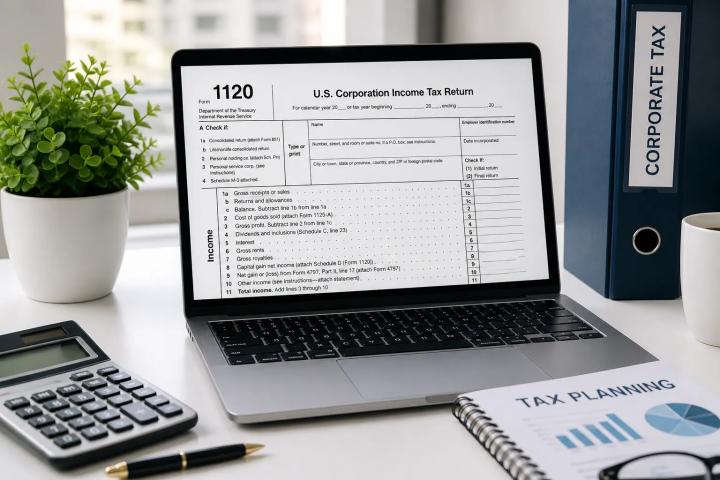
Preparing for a C Corporation tax filing service appointment is an essential step in ensuring your business taxes are filed accurately and on time. Since C corporations have unique tax obligations, proper preparation can save time, reduce errors, and help maximize deductions. Whether you are meeting with a CPA, tax consultant, or bookkeeping professional, being organized before your appointment makes the tax filing process smoother and more efficient.
In this guide, we’ll explain how to prepare for a C corporation tax filing service appointment, what documents you need, and practical tips to help your business stay compliant with IRS regulations.
C corporations are separate taxable entities, meaning they must file corporate tax returns independently from shareholders. Because of this, tax filing often involves more paperwork, financial statements, and compliance requirements than other business structures.
Preparing in advance helps:
A well-prepared appointment also allows your tax professional to focus on tax-saving strategies rather than spending time organizing incomplete information.
Before your appointment, it’s helpful to understand the basic tax responsibilities of a C corporation.
Most C corporations are required to file IRS Form 1120, also known as the U.S. Corporation Income Tax Return. This form reports:
In addition to federal tax returns, your corporation may need to file:
Understanding these obligations helps you gather the right information ahead of time.
One of the most important steps before a tax filing appointment is organizing your financial records. Your tax professional will need accurate documentation to prepare your return properly.
A profit and loss statement (P&L) summarizes your company’s income, expenses, and net profit during the tax year.
This document helps determine:
Ensure your records are updated and accurate before the appointment.
A balance sheet shows your company’s financial position by listing:
This information is often necessary for corporate tax filing and financial reporting.
Gather all business bank statements for the tax year. These records help verify income and expenses and can help identify transactions that may have been missed.
Business credit card expenses may qualify for deductions. Organizing statements ensures deductible expenses are properly recorded.
Your tax filing service provider will need a complete picture of your business income.
Prepare records for:
If your corporation has multiple revenue streams, organize them clearly to avoid confusion.
Accurate income reporting is essential because underreporting can trigger IRS penalties or audits.
Business expenses can reduce taxable income, making proper expense tracking extremely important.
Bring documentation for expenses such as:
Include:
Examples include:
If your corporation purchased equipment, software, or machinery during the year, provide receipts or invoices.
Some purchases may qualify for depreciation or tax deductions.
If travel expenses were business-related, include:
Provide records for fees paid to:
Well-documented expenses can significantly reduce tax liability.
Your tax professional may request copies of prior-year corporate tax returns.
Previous returns help with:
If this is your first time using a new tax filing service, prior returns become even more important.
For corporations with employees, payroll documentation is critical.
Gather:
Missing payroll details can delay the filing process and potentially lead to compliance issues.
Many C corporations make quarterly estimated tax payments throughout the year.
Bring records of:
This ensures payments are properly credited and helps prevent overpayment or underpayment issues.
A tax filing appointment is also an opportunity to gain valuable financial guidance.
Prepare questions such as:
Asking questions can help you better understand your corporation’s financial position and tax planning opportunities.
Before your appointment, review your business details for accuracy.
Check:
Incorrect corporate information may lead to filing delays or IRS complications.
Try to reconcile your books before the appointment.
This means reviewing:
Clean financial records help your tax preparer work more efficiently and reduce costly errors.
Many businesses unintentionally delay tax filing by arriving unprepared.
Common mistakes include:
Rushed preparation often leads to missing paperwork and mistakes.
Always separate business transactions from personal spending.
Lack of documentation can make certain deductions difficult to claim.
Some businesses focus only on federal taxes and overlook state filing requirements.
Avoiding these mistakes makes the process much smoother.
Preparing properly for a C corporation tax filing appointment offers several advantages:
The more organized your records are, the easier it becomes for your tax professional to provide strategic advice and maximize tax efficiency.
Preparing for a C Corporation Tax Filing Service appointment is about more than simply gathering paperwork. It’s an opportunity to improve financial organization, reduce tax risks, and ensure your corporation stays compliant with IRS requirements.
By organizing financial statements, expense records, payroll information, and previous tax returns ahead of time, businesses can make the tax filing process faster and more effective. Proper preparation also helps uncover valuable deductions and creates opportunities for smarter tax planning.
A successful tax appointment starts with organization. The more prepared you are, the easier it becomes to file accurately, avoid penalties, and keep your corporation financially healthy throughout the year.